23
02
Projections, debate, and exhibition will take place in Divadlo 29 in Pardubice.

Antropofest is an international festival of movies with social anthropological themes.
Festival is held by eponymous NGO, formed by social anthropology graduates. The goal of the festival is to introduce the general audience to the movies that could also be one of the important study instruments of our domain. These specific documents will allow us to learn about the life of various human communities, social groups or individuals around the world.
During the festival we will hold debates on current projections and there will be also other accompanying programme.
We are looking forward to you!
Projections, debate, and exhibition will take place in Divadlo 29 in Pardubice.
Vážení a milí fanoušci antropologického filmu,
spolek Antropofest společně s Katedrou sociální a kulturní antropologie Filozofické fakulty Univerzity Pardubice věnuje festivalový ročník 2020 festivalové retrospektivě, která proběhne 3. a 4. března 2020. Nabídneme vám přehlídku nejzajímavějších titulů z minulých ročníků a také nejnovější tvorbu studentů vizuální antropologie v České republice. Součástí festivalu bude i diskuzní fórum k vývoji a současnému stavu oboru v České republice a na Slovensku.
Letošní CALL FOR FILMS se výjimečně vztahuje pouze na studentské snímky, které vznikly na českých katedrách vyučujících antropologii.
NEVÁHEJTE A PŘIHLAŠTE SVŮJ SNÍMEK. UZÁVĚRKA JE JIŽ 10.1.2020 ! ! !
Své filmy můžete přihlašovat pouze přes email [email protected] (přihlašování přes web je zablokováno).
Těšíme se na vaše filmy, Antropofest tým
| 10:00 | Legal Alien |
| 11:30 | Shooting Freetown |
| 12:00 | Break |
| 13:00 | We Must be Dreaming |
| 14:00 | Hip Hop, My Release |
| 14:30 | Tmel |
| 14:50 | Peregrino |
| 15:00 | Touha žít |
| 15:30 | Break |
| 16:00 | Zahájení výstavy Michala Pavláska Nikde může být ostrov |
| 16:30 | Masa |
| 17:30 | In the Devil's Garden |
| 18:30 | Nekopejte do nás, ještě nejsme mrtví |
| 19:30 | Break |
| 20:00 | Lakros - to je způsob života |
| 10:00 | Turistou ve vlastním domě |
| 10:40 | Zatopené |
| 12:00 | Break |
| 13:00 | Reflexe stavu vizuální antropologie v ČR a SR |
| 15:00 | Remake of a Summer |
| 16:45 | Break |
| 17:00 | Kultura daru |
| 17:45 | Unity: Dress-scape of Accra |
| 18:30 | Break |
| 19:00 | The Land of Love |
| 20:30 | Archipelago |
Velká Británie, 2011, 28 min
Kieran Hanson
03.03.2020 11:30
 A decade since Sierra Leone's devastating civil war, from the ashes rises a new dawn of creativity in audio-visual media. Inspired by Jean Rouch's ‘shared anthropology’ and ‘ethno-fiction’, Shooting Freetown follows three people forging their way in film and music in the nation's capital, facing the constant struggles with vision and resourcefulness. By incorporating collaborative video projects, their stories give a fresh image of post-war Freetown - presented to the world through their own lens.
Kieran studied visual anthropology (ethnographic film) MA at Manchester University, carrying out his fieldwork in Freetown, Sierra Leone.
Director:Kieran Hanson
Production: Granada centre for Visual Anthropology, University of Manchester
Language of dialogues: English, Krio Language
Language of subtitles: English, Czech
Česká republika, 2019, 58 min
Adi Hasanbašić
03.03.2020 10:00
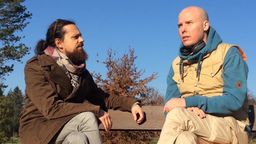 Režie, kamera, scénář, střih: Adi Hasanbašić
Produkce: Katedra sociální a kulturní antropologie UPa
Česká republika, 2019, 25 min
Lucie Knytlová
03.03.2020 15:00
 Režie, kamera: Lucie Knytlová (UPa)
Střih, produkce: Lucie Knytlová, Milan Durňak
Don't hesitate and ask us or just send your movie (with apllication form) on email: [email protected]
