23
02
Zveřejnili jsme program Antropofestu 2020. Projekce, diskuzní fórum i výstava proběhnou v pardubickém Divadle 29. Těšíme se na Vás!

Antropofest z.s. společně s Katedrou sociální a kulturní antropologie Fakulty filozofické Univerzity Pardubice věnuje festivalový ročník 2020 festivalové retrospektivě, která proběhne v Pardubicích v termínu 3. a 4. března 2020 v Divadle 29.
Nabídneme vám přehlídku nejzajímavějších titulů z minulých ročníků a také nejnovější tvorbu studentů vizuální antropologie v České republice. Součástí festivalu bude i diskuzní fórum k vývoji a současnému stavu oboru v České republice a na Slovensku.
Zveřejnili jsme program Antropofestu 2020. Projekce, diskuzní fórum i výstava proběhnou v pardubickém Divadle 29. Těšíme se na Vás!
Vážení a milí fanoušci antropologického filmu,
spolek Antropofest společně s Katedrou sociální a kulturní antropologie Filozofické fakulty Univerzity Pardubice věnuje festivalový ročník 2020 festivalové retrospektivě, která proběhne 3. a 4. března 2020. Nabídneme vám přehlídku nejzajímavějších titulů z minulých ročníků a také nejnovější tvorbu studentů vizuální antropologie v České republice. Součástí festivalu bude i diskuzní fórum k vývoji a současnému stavu oboru v České republice a na Slovensku.
Letošní CALL FOR FILMS se výjimečně vztahuje pouze na studentské snímky, které vznikly na českých katedrách vyučujících antropologii.
NEVÁHEJTE A PŘIHLAŠTE SVŮJ SNÍMEK. UZÁVĚRKA JE JIŽ 10.1.2020 ! ! !
Své filmy můžete přihlašovat pouze přes email [email protected] (přihlašování přes web je zablokováno).
Těšíme se na vaše filmy, Antropofest tým
| 10:00 | |
| 11:30 | |
| 12:00 | |
| 13:00 | |
| 14:00 | |
| 14:30 | |
| 14:50 | |
| 15:00 | |
| 15:30 | |
| 16:00 | |
| 16:30 | |
| 17:30 | |
| 18:30 | |
| 19:30 | |
| 20:00 |
| 10:00 | |
| 10:40 | |
| 12:00 | |
| 13:00 | |
| 15:00 | |
| 16:45 | |
| 17:00 | |
| 17:45 | |
| 18:30 | |
| 19:00 | |
| 20:30 |
Slovensko, 2016, 50 min
Soňa Lutherová
04.03.2020 10:40
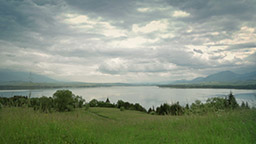 Zatopené je antropologický dokumentární film a jedné budově a osudech lidí s ní spojených. Kaštieľ v Parížovcích byl rodinným sídlem, domovem, majetkem, centrem hospodářského statku, ale i historickou památkou. Některé části budovy se zachránily a přetrvaly napříč stoletími, jiné zalily vody Liptovské Mary. Pro potomky jeho posledních majitelů, rodiny Steinů, je kaštieľ vzpomínkou na ztracenou minulost. Pro kurátory klenotem – fénixem, který povstal z kalné vody, pýchou Liptova. Osobitý příběh parížovského kaštieľa a jeho posledních majitelů je zároveň odrazem společenských změn na Slovensku ve dvacátem století.
režie: Soňa G. Lutherová
produkce: Barbara Harumová Hessová
kamera: Denisa Buranová
střih: Peter Harum
jazyk dialogů: slovenština
jazyk titulků: angličtina
Alžírsko, Švýcarsko, 2018, 25 min
Pavel Borecký
03.03.2020 17:30
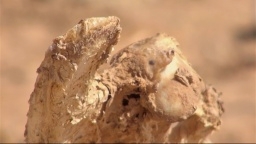 Film situuje diváka do provizorního prostředí zvířecího trhu v Alžírsku. Mezi krmením a čekáním se člověk naladí na těla koz a velbloudů, nejstarších společníků arabských mužů. Jak se přesouváme hlouběji do pouště, prostředí se změní v obětní zónu a odhaluje svá temná geopolitická tajemství. Senzorický etnografický film vás přiměje přemýšlet o banalitě vysídlování, omezení a vykořisťování na území mimo dohled lidí.
Režie, kamera, střih: Pavel Borecký
Produkce: Institut of Social Anthropology, University of Bern
Scénář: Pavel Borecký, Franziska Voigt
Jazyk dialogů: arabština
Jazyk titulků: angličtina, čeština
Trailer: https://vimeo.com/282462351
Po filmu následuje diskuze s autorem.
Česká republika, 2019, 5 min
A. Bláhová, P. Jiskra, R. Tvrdá
03.03.2020 14:30
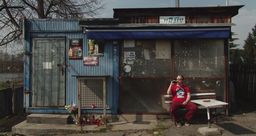 Krátký etnografický film mapující jedno místo v malém jihočeském městečku, kde se potkávají lidé různého věku, s různými názory a debatují o životě s pivem v ruce. Prostřednictvím vzpomínek několika vypravěčů se dozvídáme o Bálovi - muži, jenž stvořil genius loci kiosku s nekonečnou nabídkou alkoholu a pověstnými nízkými cenami jako místa, které tyto lidi spojovalo a spojuje i po jeho smrti.
Režie, kamera, scénář, střih, prodkce: A. Bláhová, P. Jiskra, R. Tvrdá (ZČU)
Neváhejte se nás zeptat, či rovnou poslat film (s vyplněnou přihláškou) na e-mailovou adresu: [email protected]
